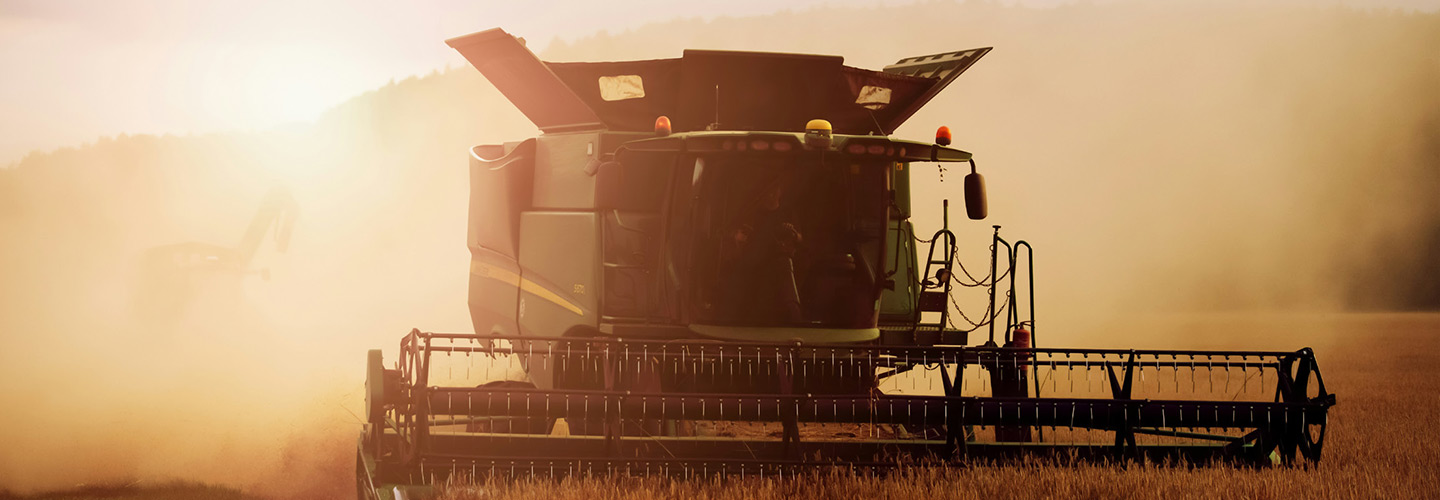
This policy brief titled ‘Beyond the Tractor: Pakistan’s Next Mechanization Wave’ has been completed by The Pakistan Business Council (PBC) as part of “Grow More/Grow Better” pillar of its “Make-in-Pakistan” thrust. This policy brief explores the current state of agricultural mechanization in Pakistan, the structural and institutional challenges limiting its effectiveness, and the reforms needed to build a more efficient, reliable, and inclusive mechanization services ecosystem that can improve productivity, reduce losses, and strengthen farmer incomes.
Agricultural mechanization in Pakistan has grown over time but remains uneven, fragmented, and well below global benchmarks, limiting its contribution to productivity and farm incomes. With farm power at just 0.09 horsepower per acre – far below the recommended 1.4–1.8 hp – there is a clear structural deficit in mechanical capacity. While tractors are widely used and operations like land preparation and threshing are largely mechanized, key stages such as sowing, transplanting, and harvesting remain inefficient or manual in many areas. This partial mechanization constrains yields and contributes to significant post-harvest losses.
A major issue is the widespread use of outdated and poorly maintained machinery. Combine harvesters, often averaging around 40 years old, are typically imported near the end of their lifecycle and kept running through temporary fixes. Although this reduces upfront costs, it leads to inefficiencies, including grain losses of 10–15% in major crops like wheat and rice—equivalent to about USD 1.5 billion annually. The use of mismatched machinery, such as wheat combines for rice harvesting, further reduces quality and increases losses. Regional disparities also exist, with Punjab relatively more mechanized, while Sindh relies heavily on manual harvesting due to unsuitable soil conditions for heavy machinery.
Pakistan’s smallholder-dominated farm structure means most farmers cannot afford to own machinery and instead depend on rental services. These service providers are central to mechanization access but face challenges such as inconsistent demand, limited scale, and peak-season shortages. As a result, timely availability of machinery remains a persistent issue.
The mechanization ecosystem involves government programs, private suppliers, and development partners. Public initiatives, such as the successful promotion of laser land levelling in Punjab, show that targeted support and private sector engagement can drive adoption. However, weak standards, limited testing, and poor after-sales services continue to undermine equipment quality and reliability.
Several interconnected constraints hinder progress. High machinery costs, exchange rate volatility, and limited access to credit push farmers toward cheaper but inefficient equipment. Tax and duty structures further raise costs and discourage formalization. Additionally, shortages of skilled operators and mechanics, weak repair systems, and poor suitability of machines to local conditions reduce efficiency.
Going forward, the focus should shift from simply increasing machine numbers to building a reliable mechanization services ecosystem. Strengthening rental markets, promoting service hubs, improving standards, and enabling better access to finance are critical. Integrating mechanization with sustainability, particularly through better residue management, can also create economic value. Overall, a coordinated, system-wide approach is essential to unlock productivity gains and improve farmer incomes.
The PBC is a private sector not-for-profit advocacy platform set-up in 2005 by 14 (now 100) of Pakistan’s largest businesses. PBC’s research-based advocacy supports measures which improve Pakistani industry’s regional and global competitiveness.
Download