The report titled “Woven In or Locked Out? The Future of Pakistan Textiles Exports Under the EU’s New Standards” looks at how the European Union is in the process of changing its textile market rules. By 2028-29, all products entering the EU will need to meet the EU’s environmental and social standards. For Pakistan, which sends about €6.75 billion worth of textiles to the EU each year and for which the EU is its largest export destination, these changes mark one of the biggest shifts in trade rules.
European Union Regulations Applicability to Pakistan
Pakistani companies do not have to file directly under these EU rules. However, EU buyers will require Pakistani manufacturers to meet these standards as a condition for doing business and the compliance burden will ultimately fall on Pakistani factories. The expected timeline of the new regulations and their impact is given below.
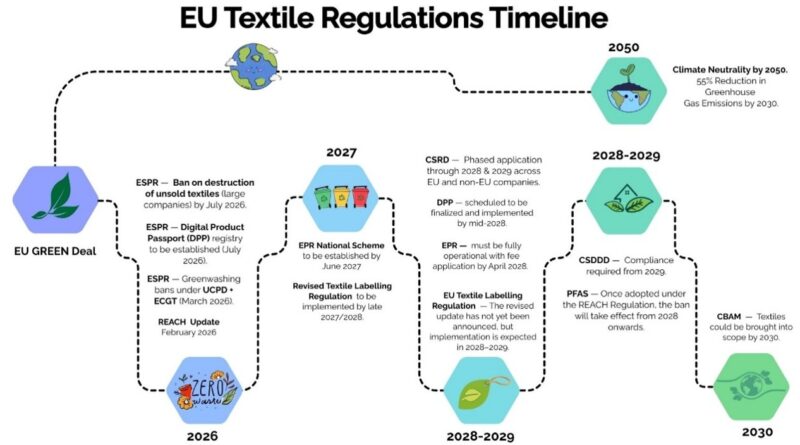
Table 1: EU Regulations Applicability to Pakistan
| Regulation |
Does it apply directly to Pakistani firms? |
How does it impact Pakistan? |
Who is Affected? |
| Ecodesign for Sustainable Products Regulation (ESPR) |
No – but products must comply to enter EU market. |
The EU buyer will make compliance a contractual requirement before the product ships. |
All exporters to the EU. |
| Digital Product Passport (DPP) |
No – EU importer files, but factory supplies all the data. |
Buyers will not be able to sell without verified factory data. |
All exporters to the EU. |
| Per- and Polyfluoroalkyl Substances
(PFAS) |
Yes – product must comply regardless of manufacturer location. |
It will apply to the manufacturing stage, which means Pakistani factories will need to switch to alternatives. |
Dye houses, finishers, synthetic fabric producers. |
| Corporate Sustainability Reporting Directive (CSRD) |
Not as a reporting entity (unless >EUR 450m EU turnover from 2029). |
EU buyers demand supply chain sustainability data to meet their own filing obligations. |
Suppliers to large EU brands. |
| Corporate Sustainability Due Diligence (CSDD) |
No – applies to large EU companies. |
EU brands conduct due diligence audits across tier 1, 2, and 3 suppliers. |
All tiers of supply chain, including ginners and spinners. |
| Extended Producer Responsibility (EPR) |
Only if selling directly to EU consumers online. |
Cost could be passed back to the supplier providing to EU buyers. |
Exporters/Direct online sellers. |
| Textile Labelling |
Yes – manufacturer is responsible for label accuracy. |
Direct product requirement. |
All manufacturers. |
| Carbon Border Adjustment Mechanism (CBAM) |
Not currently – textiles are excluded. |
Possible future exposure if expanded to textiles. |
Synthetic fibre producers. |
Recommendations
The recommendations for helping Pakistan comply with the EU’s new protocols as they relate to Pakistan’s textile exports to the EU are summarized below.
- Unified Compliance Framework: A standardised compliance and auditing system aligned with EU requirements needs to be developed. Its cost should be shared between manufacturers, the export industry, government of Pakistan, and buyers.
- Incentives for Compliance Investment: There should be tax benefits or rebates as incentives for companies that implement with such initiatives.
- Long-Term Energy Policy: The government needs to provide long-term stability in energy pricing so companies can make sustainable investment decisions with lower risk.
- Resolve EFS Sales Tax: Imported chemicals benefit from duty exemptions, while compliant local chemical manufacturers and their customers are not treated equally. It needs to be resolved so that compliant manufacturers are not disadvantaged.
- Shared Infrastructure for SMEs: Centralised Effluent Treatment Plants (CETPs – shared wastewater treatment facilities for clusters of factories) and special economic zones with shared infrastructure would reduce the per-unit compliance cost for smaller manufacturers. Government incentives for renewable energy and wastewater recycling are also needed.
- Accelerate the National Digital Product Passport (DPP) Platform: The National Compliance Centre’s national DPP dashboard needs to be fast-tracked, formally funded, and integrated with the Pakistan Single Window system at minimal transaction cost to SMEs.
- SME Financial and Technical Support: SMEs that cannot afford the initial investment for compliance software or infrastructure should receive financial support through available funds, green loans or other handholding financial support.
- Upgraded Chemical Testing Infrastructure: Upgraded chemical testing labs are needed for the sector. A national-level investment in accessible, affordable testing infrastructure would reduce dependence on expensive third-party or overseas testing.
- Link Compliance to Business Volume: Brands and buyers should have a dialogue with their suppliers making clear that if suppliers comply, buyers will buy more from them. It should be linked directly to more business.
The PBC is a private sector not-for-profit advocacy platform set-up in 2005 by 14 (now 100+) of Pakistan’s largest businesses. PBC’s research-based advocacy supports measures which improve Pakistani industry’s regional and global competitiveness. More information about the PBC, its members, objectives and activities can be found on its website: www.pbc.org.pk
Download